

Red Light Therapy at Home: The Wellness Trend Everyone Is Talking About—But Not Every Device Works
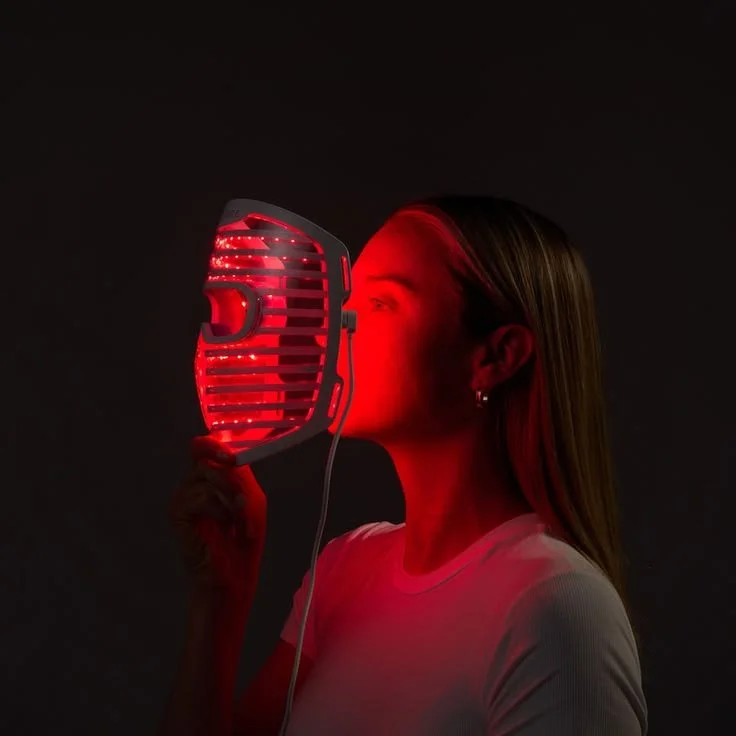
From beauty influencers to recovery clinics, red light therapy has quickly become one of the most talked-about wellness technologies.
LED masks, panels, and handheld devices promising smoother skin, faster recovery, and anti-aging benefits are suddenly everywhere. The appeal is obvious: a non-invasive treatment that can be done from the comfort of your home.
But as the trend grows, experts are starting to point out an important reality.
Not all red light devices are created equal.
Before investing in one, it helps to understand both the benefits of red light therapy—and the science behind what actually makes it work.
The Benefits of Red Light Therapy
Red light therapy works by exposing the skin to specific wavelengths of light that penetrate the skin and interact with cells.
When used correctly, research suggests it may support several benefits:
Skin health and anti-aging
Red light can stimulate collagen production, which helps improve skin elasticity and reduce the appearance of fine lines.
Reduced inflammation
The therapy has been linked to decreased inflammation, which may support both skin health and muscle recovery.
Improved circulation
Certain wavelengths can increase blood flow, helping deliver oxygen and nutrients to the skin and muscles.
Muscle recovery
Many athletes use red light therapy to support recovery and reduce soreness after workouts.
Skin clarity
It may help reduce redness and support skin healing.
These benefits explain why red light therapy has moved beyond dermatology offices and into gyms, recovery studios, and now—living rooms.
The Truth About At-Home Devices
The rise of at-home devices has made red light therapy more accessible, but it has also created confusion.
Many products on the market simply emit red-colored light, which is very different from delivering the specific wavelengths needed to produce therapeutic effects.
Red light therapy works best within a particular range of wavelengths—typically around 630–660 nanometers for red light and 810–880 nanometers for near-infrared light.
Devices outside these ranges may still glow red, but they won’t necessarily deliver the same biological benefits.
In other words:
just because it lights up doesn’t mean it’s doing the work.
What Actually Makes a Device Effective
If you’re considering a red light therapy device for home use, experts suggest paying attention to a few key factors.
Wavelength transparency
Reputable brands clearly state the wavelengths their device emits.
Light intensity (irradiance)
The strength of the light matters. Devices that are too weak may require extremely long treatment times to have any effect.
Coverage area
Larger panels generally deliver more consistent exposure compared to small handheld devices.
Clinical testing or FDA clearance
Devices that reference research or regulatory approval tend to have more credibility.
Protocol Matters More Than People Think
Even with a high-quality device, results depend heavily on how it’s used.
Red light therapy isn’t simply turning on a mask while scrolling your phone.
Some important guidelines include:
Distance from the skin
Many devices work best when positioned just a few inches from the skin, though exact recommendations vary by device.
Consistency
Most protocols recommend sessions several times per week for noticeable results.
Session timing
Treatments typically range from 5 to 15 minutes, depending on the strength of the device.
Targeted use
Panels are often used for larger areas like the face or body, while masks focus specifically on facial skin.
Without the correct distance, duration, and frequency, even a good device may not deliver noticeable results.
The Bottom Line
Red light therapy has real science behind it—but like many wellness trends, the explosion of at-home devices has created a market where not every product lives up to the promise.
The key is understanding that effective red light therapy relies on specific wavelengths, adequate intensity, and proper use.
For those willing to do a little research and follow the right protocols, it can be a powerful addition to a skincare or recovery routine.
Just remember:
the glow isn’t coming from the color of the light—it’s coming from the science behind it.
Fit Girl Quick Take
Best for: skin health, recovery, inflammation support
Most important factor: correct wavelengths and light intensity
Pro tip: follow device protocols closely for real results